


Delving into the realm of premium vinyl siding cost, this introduction sets the stage for a comprehensive exploration of key aspects, promising readers an informative and engaging journey ahead.
As we navigate through the nuances of premium vinyl siding cost, you'll uncover valuable insights and practical tips to aid in your decision-making process.
Factors Affecting Premium Vinyl Siding Cost
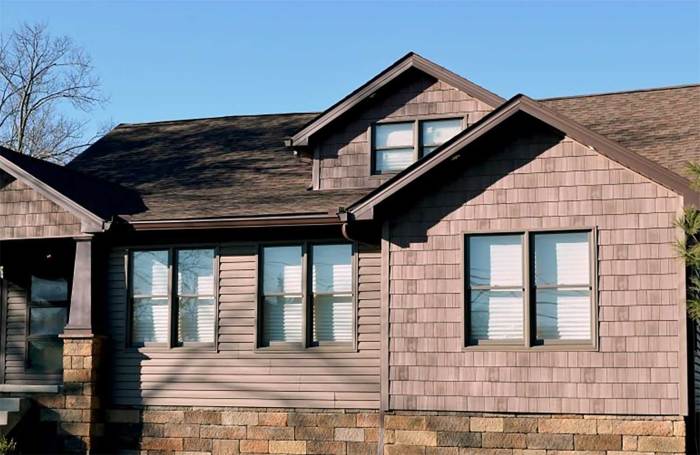
When considering the cost of premium vinyl siding, several key factors come into play that influence the overall pricing. Factors such as material quality, brand reputation, and installation complexity can all impact the cost of premium vinyl siding options.
Material Quality
The quality of the vinyl material used for siding can significantly affect the cost. Higher quality vinyl with better durability, weather resistance, and color retention properties will generally come at a higher price point compared to lower quality options.
Brand Reputation
The reputation of the brand supplying the premium vinyl siding can also influence the cost. Well-known and trusted brands may charge a premium for their products due to their reputation for quality and reliability in the industry.
Installation Complexity
The complexity of the installation process can impact the cost of premium vinyl siding. Factors such as the size and shape of the building, the need for additional insulation or repairs, and the expertise required for installation can all contribute to higher costs.
Examples of Premium Vinyl Siding Options and Costs
- Brand A Premium Vinyl Siding:Known for its superior durability and color options, this brand typically ranges from $8 to $12 per square foot.
- Brand B Premium Vinyl Siding:With a reputation for high-quality insulation and energy efficiency, this brand may cost between $10 to $15 per square foot.
- Brand C Premium Vinyl Siding:Offering a wide range of styles and finishes, this brand can be priced from $12 to $18 per square foot.
Cost Comparison
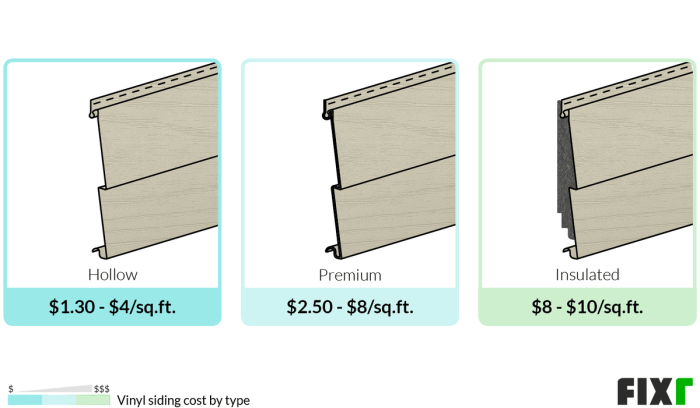
When considering premium vinyl siding for your home, it's essential to compare the cost with other popular siding materials like wood, fiber cement, and metal. Each material comes with its own set of advantages and disadvantages that can impact the overall cost-effectiveness and long-term value.
Premium Vinyl Siding vs. Other Siding Materials
Let's take a closer look at how premium vinyl siding stacks up against other siding materials in terms of cost:
| Siding Material | Average Cost per Square Foot | Advantages | Disadvantages |
|---|---|---|---|
| Premium Vinyl | $4
| Low maintenance, variety of colors and styles, affordable installation costs | Less durable than some materials, can fade over time |
| Wood | $7
| Natural look, can be painted or stained, environmentally friendly | High maintenance, susceptible to rot and insect damage |
| Fiber Cement | $5
| Durable, fire-resistant, low maintenance | Heavy and challenging to install, higher initial cost |
| Metal | $5
| Durable, resistant to pests and rot, recyclable | Can dent or scratch easily, may require repainting |
Long-Term Considerations
- Premium vinyl siding may have lower upfront costs compared to wood or fiber cement, making it a cost-effective choice for many homeowners.
- While vinyl siding requires minimal maintenance, it may need to be replaced sooner than more durable materials like fiber cement or metal, affecting long-term costs.
- Consider the climate and environmental factors in your area when choosing siding materials, as this can impact the durability and maintenance requirements over time.
Installation Costs and Considerations
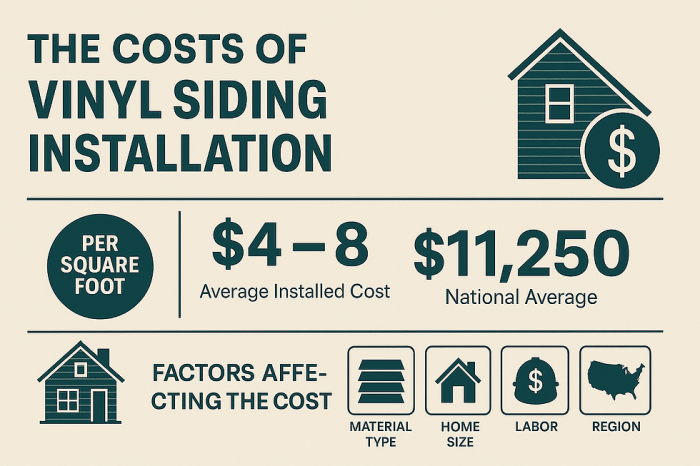
When it comes to installing premium vinyl siding, there are several factors that can impact the total cost. Understanding the typical installation process, labor costs, additional materials needed, and specialized tools required can help homeowners budget effectively for this home improvement project.
Installation Process
The installation process for premium vinyl siding typically involves removing any existing siding, preparing the exterior walls, and then installing the new vinyl siding panels. This process can be time-consuming and labor-intensive, especially if there are any unique architectural features or obstacles on the home's exterior.
Labor Costs and Additional Materials
Labor costs for vinyl siding installation can vary depending on the size of the project, the complexity of the installation, and the contractor's experience. Additionally, homeowners may need to budget for additional materials such as insulation, trim pieces, and fasteners to ensure a proper installation.
Specialized tools like a siding nailer, chalk line, and utility knife may also be required, adding to the overall cost.
Factors to Consider
When budgeting for premium vinyl siding installation, homeowners should consider the size of their home, any unique architectural features, the quality of the siding material, and the contractor's labor rates. It's important to get multiple quotes from reputable contractors, check references, and ensure that all necessary permits are obtained before starting the project.
By taking these factors into account, homeowners can better plan for the total cost of installing premium vinyl siding on their home.
Return on Investment (ROI) of Premium Vinyl Siding
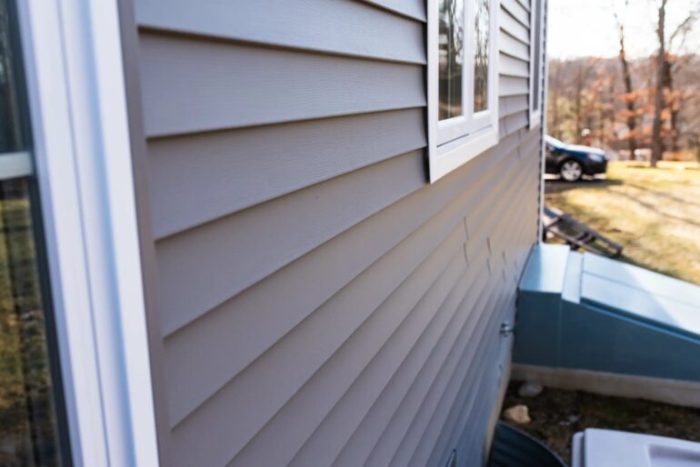
Investing in premium vinyl siding for a home can yield a significant return on investment over time. While the initial cost may be higher compared to traditional siding options, the long-term benefits in terms of energy efficiency, maintenance savings, and property value can outweigh the upfront expenses.
Potential Energy Efficiency Savings
One of the key factors contributing to the ROI of premium vinyl siding is its energy efficiency. Premium vinyl siding can help improve insulation and reduce heat loss, leading to lower energy bills over time. Studies have shown that homes with quality siding materials like vinyl can save homeowners hundreds of dollars annually in heating and cooling costs.
Maintenance Savings and Durability
Another aspect to consider when evaluating the ROI of premium vinyl siding is the low maintenance requirements and durability of the material. Unlike wood or aluminum siding, vinyl siding does not require frequent painting or sealing, saving homeowners both time and money on maintenance costs.
Additionally, premium vinyl siding is resistant to rot, corrosion, and insect damage, ensuring a longer lifespan for the siding without the need for costly repairs or replacements.
Property Value Appreciation
Investing in premium vinyl siding can also increase the overall value of a home. Potential buyers are often willing to pay more for a property with high-quality siding that enhances curb appeal and offers long-term benefits. Case studies have shown that homes with premium vinyl siding installations have a higher resale value compared to those with traditional siding materials, providing a positive return on investment for homeowners.
Last Recap
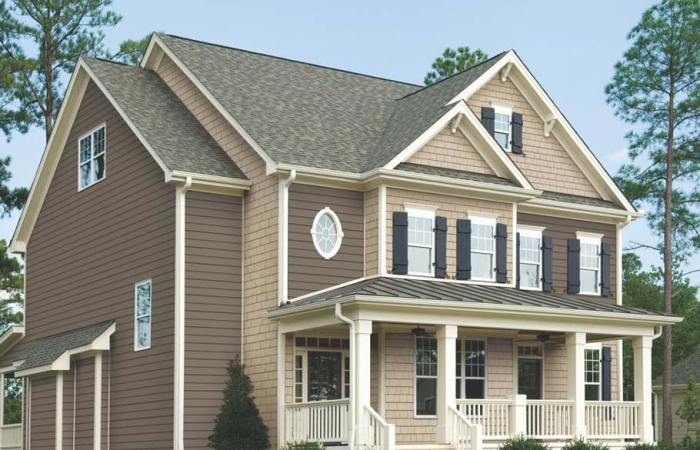
In conclusion, the intricate tapestry of premium vinyl siding cost unravels to reveal a blend of factors impacting pricing, comparisons with alternative materials, installation considerations, and the promising return on investment.
Questions and Answers
What factors influence premium vinyl siding cost?
Factors such as material quality, brand reputation, and installation complexity play a significant role in determining the cost of premium vinyl siding.
How does the cost of premium vinyl siding compare to other siding materials?
Premium vinyl siding offers a cost-effective solution when compared to materials like wood, fiber cement, and metal, considering factors like maintenance and durability.
What is the typical installation process for premium vinyl siding?
The installation process involves labor costs, additional materials, and specialized tools, with homeowners needing to budget accordingly for a seamless installation.
What is the return on investment of investing in premium vinyl siding?
Premium vinyl siding presents long-term benefits such as energy efficiency, maintenance savings, and increased property value, showcasing a promising return on investment.