


Embarking on the journey of residential siding repair, this article delves into the importance of maintaining your home's exterior. From preventing further damage to boosting curb appeal, we explore everything you need to know.
Importance of Residential Siding Repair
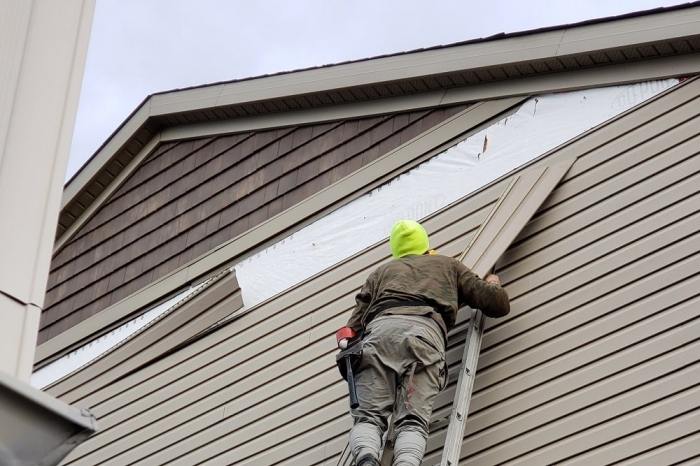
Residential siding repair plays a crucial role in maintaining the overall integrity and appearance of a home. Neglecting siding issues can lead to more severe damage over time, impacting the structural stability of the property.
Preventing Further Damage
Timely repairs to residential siding can prevent water infiltration, mold growth, and pest infestations, which can cause extensive damage to the walls and foundation of a home. By addressing these issues promptly, homeowners can avoid costly repairs and ensure the longevity of their property.
Enhancing Curb Appeal
Repairing damaged siding can significantly enhance the curb appeal of a home, increasing its value and attractiveness to potential buyers. A well-maintained exterior not only improves the aesthetic appeal of the property but also reflects the care and attention to detail that homeowners invest in their home.
Common Types of Residential Siding Damage
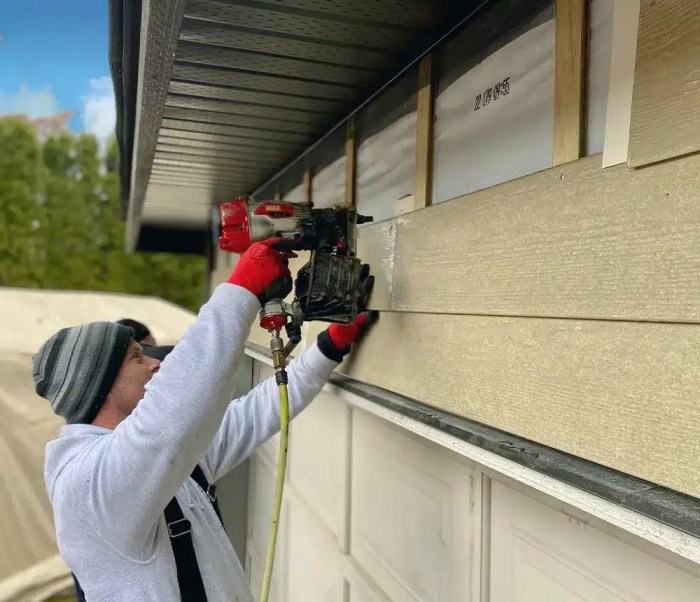
Residential siding can sustain various types of damage over time, leading to issues that not only affect the aesthetics of the home but also its structural integrity. Understanding the common types of damages that can occur is crucial for proper maintenance and timely repairs.
Cracks
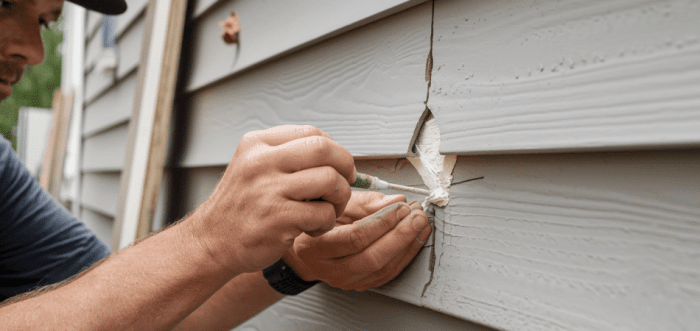
Cracks in residential siding can occur due to various reasons such as impact from debris, age-related wear and tear, or improper installation. These cracks can allow water to seep behind the siding, leading to further damage if not addressed promptly.
Rot
Rot is a common issue with wooden siding, especially in areas with high humidity or excessive moisture. It can compromise the strength of the siding and spread to other areas of the home if not treated promptly. Identifying and replacing rotted sections is essential to prevent further damage.
Warping
Warping of siding can occur due to exposure to extreme temperature changes, prolonged sunlight, or moisture. Warped siding not only looks unsightly but can also result in gaps that allow water infiltration and pests to enter the home. Addressing warped siding can help maintain the overall integrity of the exterior.
Fading
Over time, residential siding can fade due to exposure to sunlight, weather elements, and pollutants. Faded siding can detract from the curb appeal of the home and indicate the need for maintenance or replacement. Restoring the color and finish of the siding can enhance the overall appearance of the property.
Impact of Weather Conditions
Weather conditions play a significant role in the condition of residential siding. Extreme heat, cold, rain, snow, and wind can all contribute to the deterioration of siding materials over time. It is essential to consider the local climate and weather patterns when assessing the condition of siding and planning repairs or maintenance.
Identifying the Root Cause of Damage
Before repairing damaged residential siding, it is crucial to identify the root cause of the issue. Whether it's poor installation, age-related wear, or weather-related damage, understanding the underlying cause can help prevent future issues and ensure effective repairs. Consulting with a professional contractor can help in diagnosing the root cause and implementing the necessary solutions.
DIY Siding Repair Techniques
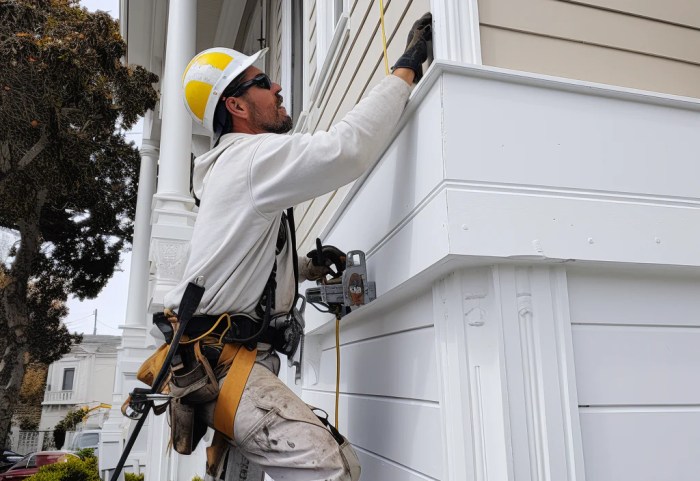
When it comes to small repairs on residential siding, homeowners can tackle the job themselves with the right tools and techniques. It's important to follow safety precautions and ensure that new materials match the existing siding for a seamless repair.
Step-by-Step DIY Siding Repair
- Start by cleaning the damaged area using a mild detergent and water to remove any dirt or debris.
- Carefully remove the damaged siding piece by unscrewing or prying it off, taking care not to damage the surrounding siding.
- Measure the dimensions of the damaged siding and cut a replacement piece to fit using a saw.
- Slide the new piece into place and secure it with nails or screws, making sure it aligns properly with the existing siding.
- Finish by caulking around the edges of the new siding piece to seal out moisture and ensure a tight fit.
Safety Precautions for DIY Siding Repair
- Wear safety goggles, gloves, and a dust mask to protect yourself from debris and dust while working.
- Use a sturdy ladder and have someone spot you while working at heights to prevent falls or injuries.
- Avoid working in extreme weather conditions to ensure a safe and comfortable repair process.
Matching New Materials with Existing Siding
- Take a sample of the existing siding to the hardware store to find a match in color and texture for the replacement piece.
- If an exact match is not available, consider painting the new siding to blend in with the existing siding for a uniform look.
- Ensure that the new siding material is compatible with the existing siding to prevent any issues with expansion or contraction over time.
Hiring Professional Siding Repair Services
When it comes to residential siding repair, hiring professional contractors can offer numerous benefits. These professionals have the expertise, experience, and tools necessary to ensure that the repair work is done efficiently and effectively.
The Benefits of Hiring Professional Contractors
- Professional contractors have the skills and knowledge to identify the root cause of siding damage and provide long-lasting solutions.
- They can complete the repair work in a timely manner, saving you time and hassle.
- Professional contractors have access to high-quality materials and equipment, ensuring a durable and aesthetically pleasing repair job.
- They can offer warranties on their work, providing you with peace of mind and protection in case of any issues post-repair.
Factors to Consider When Choosing a Siding Repair Service Provider
- Check for licenses and certifications to ensure that the contractor is qualified and meets industry standards.
- Verify that the contractor has insurance coverage to protect you and your property in case of accidents or damages during the repair process.
- Read reviews and testimonials from past clients to gauge the contractor's reputation and the quality of their work.
- Get multiple quotes from different contractors to compare pricing and services offered before making a decision.
Importance of Checking Licenses, Insurance, and Reviews
Before hiring a contractor for siding repair, it is crucial to check their licenses, insurance, and reviews. A licensed contractor ensures that they have met the necessary requirements and have the expertise to handle the repair job effectively. Insurance coverage protects you from liability in case of accidents or damages during the repair process.
Reviews and testimonials from previous clients give you insight into the contractor's reliability, professionalism, and the quality of their work. Taking the time to research and verify these aspects can help you choose the right contractor for your siding repair needs.
Cost Considerations for Residential Siding Repair
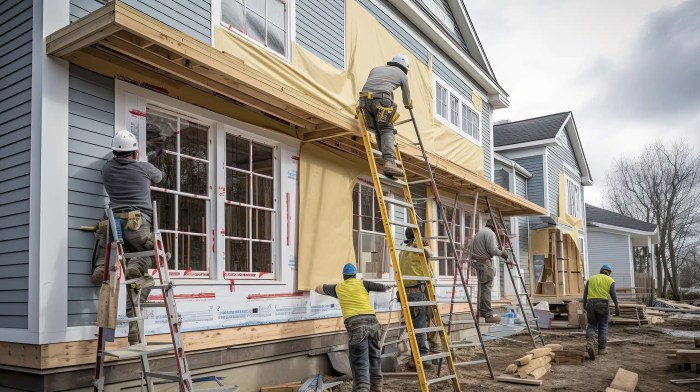
When it comes to residential siding repair, understanding the potential costs involved is crucial. This includes factoring in the expenses for materials and labor, as well as considering the benefits of regular maintenance in reducing long-term repair expenses.
Breakdown of Costs
Repairing residential siding can involve various costs, including:
- Cost of materials such as siding panels, trim pieces, caulking, nails, paint, and other necessary supplies.
- Labor costs if hiring professionals to handle the repair work.
DIY Repairs vs. Hiring Professionals
When deciding between tackling siding repair as a do-it-yourself project or hiring professionals, consider the following:
- DIY repairs may be more cost-effective initially as you save on labor costs, but quality and durability may vary based on your skill level.
- Hiring professionals ensures a higher quality repair job, but it comes with additional labor costs.
Importance of Regular Maintenance
Regular maintenance of your residential siding can help prevent extensive damage and costly repairs in the long run. Simple tasks such as cleaning, inspecting for damage, and making timely repairs can go a long way in preserving the integrity of your siding and avoiding major expenses.
Final Review
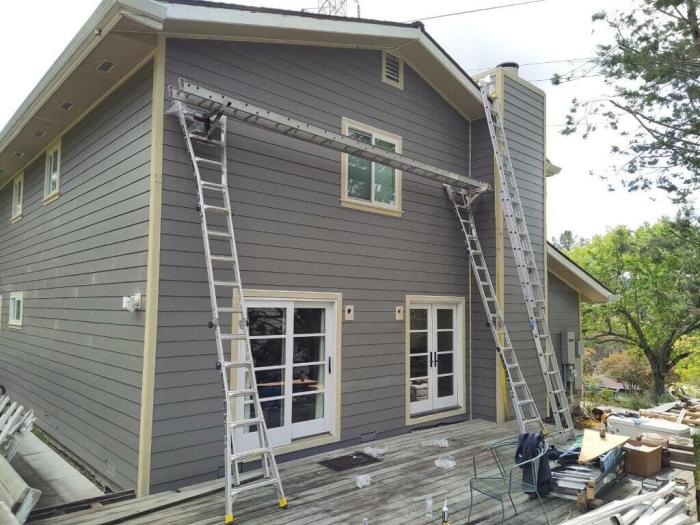
In conclusion, residential siding repair is not just about fixing damages but also about investing in the longevity and aesthetics of your property. Take the necessary steps to upkeep your siding and enjoy a beautiful and well-maintained home for years to come.
Commonly Asked Questions
How often should residential siding be repaired?
It is recommended to inspect your siding annually and address any issues promptly to prevent extensive damage.
Can weather conditions impact the lifespan of siding?
Yes, extreme weather conditions like heavy rain, snow, or intense sunlight can deteriorate siding faster.
What are the benefits of hiring professional siding repair services?
Professional contractors bring expertise, ensure quality repairs, and save you time and effort in the long run.