


Embark on a journey through the world of residential siding contractors, where expertise meets innovation to transform homes. From choosing the right materials to understanding the intricacies of installation, this guide offers a deep dive into the realm of siding contractors.
Discover the secrets behind creating a durable and visually appealing exterior for your home, all with the help of skilled professionals in the industry.
Overview of Residential Siding Contractors
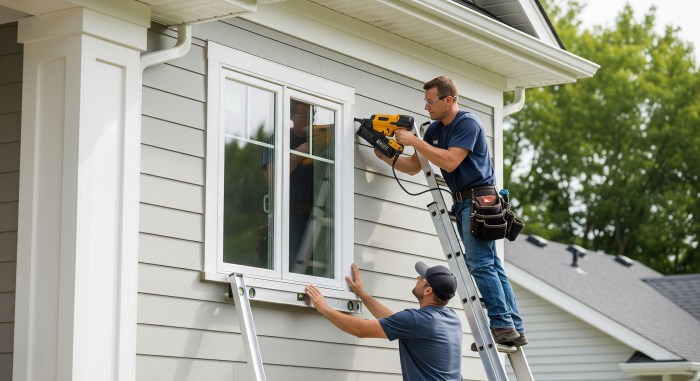
Residential siding contractors play a crucial role in the construction industry by specializing in the installation, repair, and maintenance of siding for residential buildings. They are responsible for ensuring that the exterior of a home is not only aesthetically pleasing but also weather-resistant and durable.It is important to hire professional siding contractors for residential projects as they have the expertise and experience to recommend the best siding materials, install them correctly, and provide long-lasting solutions.
Their attention to detail and knowledge of local building codes ensure that the project is completed safely and up to standard.
Common Types of Siding Materials
- Vinyl Siding: A popular choice due to its affordability, low maintenance, and variety of colors and styles.
- Wood Siding: Provides a natural and traditional look but requires more maintenance to prevent rot and insect damage.
- Fiber Cement Siding: Durable and resistant to fire, rot, and insects, offering a long lifespan with minimal maintenance.
- Aluminum Siding: Lightweight, easy to install, and resistant to corrosion, making it a cost-effective option.
- Brick Siding: Known for its classic appearance, durability, and energy efficiency, but it can be more expensive to install.
Services Offered by Residential Siding Contractors
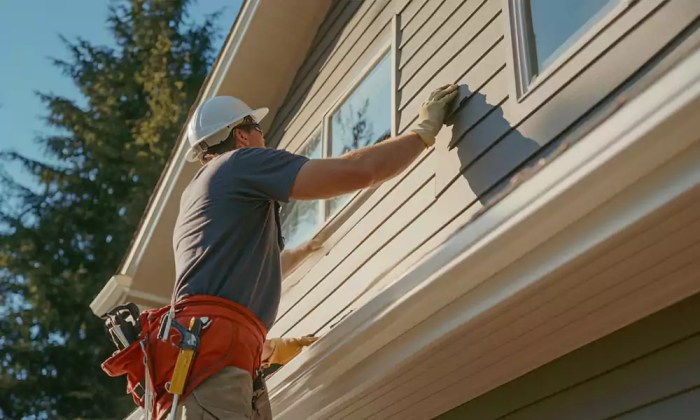
Residential siding contractors offer a range of services to help homeowners improve the aesthetics and functionality of their homes. From siding installation to repairs and maintenance, these professionals play a crucial role in enhancing the curb appeal and durability of residential properties.
Siding Installation Process
- Initial consultation: The contractor will assess the property, discuss the homeowner's needs and preferences, and provide recommendations on the best siding materials.
- Material selection: The homeowner will choose the type, color, and style of siding they want for their home.
- Preparation: The old siding will be removed, and any necessary repairs or adjustments to the structure will be made before the new siding is installed.
- Installation: The contractor will expertly install the chosen siding material, ensuring a seamless and durable finish.
- Finishing touches: Trim work, caulking, and painting may be done to complete the installation process.
Additional Services
- Siding Repair: Contractors can also repair damaged siding, including fixing cracks, holes, or warping caused by weather or age.
- Siding Maintenance: Regular maintenance services such as cleaning, sealing, and inspections can help prolong the lifespan of the siding and prevent costly repairs.
- Siding Replacement: In cases where the existing siding is beyond repair, contractors can replace it with new, more durable materials.
- Custom Design: Some contractors offer custom design services, allowing homeowners to create unique and personalized siding solutions for their homes.
Factors to Consider When Hiring Residential Siding Contractors
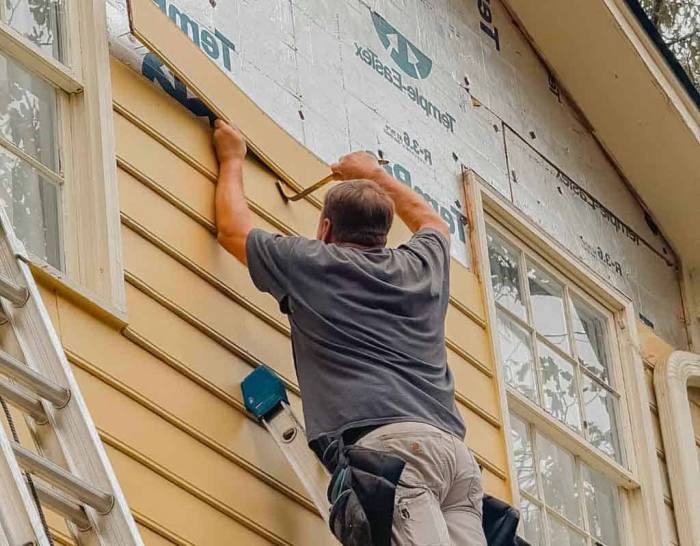
When it comes to choosing a residential siding contractor, there are several key factors that homeowners should take into consideration to ensure they make the right decision. From the type of siding options available to checking licenses and certifications, making an informed choice can save time, money, and potential headaches down the road.
Types of Siding Options and Their Pros and Cons
Before hiring a residential siding contractor, homeowners should familiarize themselves with the various siding options available in the market. Each type of siding comes with its own set of pros and cons, which can impact the overall look, durability, and maintenance requirements of the property.
Some common siding options include:
- Vinyl Siding:
- Pros: Cost-effective, low maintenance, versatile in design options.
- Cons: Can crack or fade over time, limited color choices, may not be as durable as other materials.
- Fiber Cement Siding:
- Pros: Durable, fire-resistant, low maintenance, versatile in design.
- Cons: Higher initial cost, can be heavy to install, may require repainting over time.
- Wood Siding:
- Pros: Natural look, environmentally friendly, can be painted or stained.
- Cons: Prone to rot, insect damage, higher maintenance requirements, may require regular refinishing.
Importance of Checking Licenses, Insurance, and Certifications
One of the most crucial factors to consider when hiring a residential siding contractor is ensuring they have the necessary licenses, insurance, and certifications. This helps protect homeowners in case of accidents, damages, or issues with the project. By verifying these credentials, homeowners can have peace of mind knowing that they are working with a reputable and qualified contractor who meets industry standards.
Always ask for proof of insurance and licenses before hiring a residential siding contractor to avoid any potential liabilities.
Cost Estimation and Budgeting for Siding Projects
When it comes to siding projects, understanding the costs involved is crucial for effective budgeting and decision-making. Residential siding contractors typically estimate costs based on various factors such as materials, labor, project complexity, and any additional services required.
Factors Influencing Cost Estimation:
- Materials: The type and quality of siding materials chosen significantly impact the overall cost of the project. Factors like durability, aesthetics, and maintenance requirements play a role in material selection.
- Labor Costs: The size and complexity of the project will determine the amount of labor required and, consequently, the labor costs involved. More intricate designs or large-scale installations may require more labor hours.
- Additional Services: Any extra services like removal of old siding, repairs, or customization will add to the total project cost. It's essential to factor in these additional services during cost estimation.
Tips for Budgeting and Maximizing Cost-Effectiveness:
- Get Multiple Quotes: Obtain quotes from several residential siding contractors to compare prices and services. This will help you choose a contractor that offers the best value for your budget.
- Plan Ahead: Proper planning and clear communication with the contractor can prevent unexpected costs and delays. Artikel your requirements and budget constraints from the beginning.
- Consider Long-Term Value: While upfront costs are important, prioritize quality and durability to ensure that your siding investment pays off in the long run. Opting for high-quality materials may save you money on maintenance and repairs in the future.
Factors Impacting Overall Cost:
- Location: Regional differences in material costs, labor rates, and regulations can affect the overall cost of hiring a siding contractor.
- Project Size and Complexity: Larger projects or those with intricate designs may require more resources, leading to higher costs.
- Timeline: Projects with tight deadlines or specific scheduling requirements may incur additional costs to accommodate the timeline.
Trends and Innovations in Residential Siding
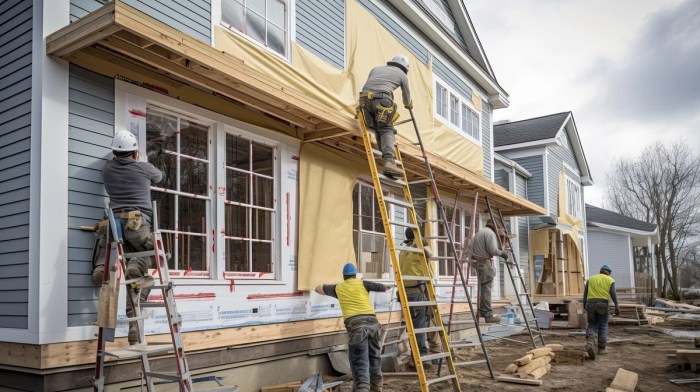
Residential siding contractors are continually adapting to emerging trends and innovations in the industry to provide homeowners with the latest options for their siding projects. Let's explore some of the key trends shaping the residential siding market.
Emerging Materials and Designs
Contractors are incorporating a variety of new materials and designs to enhance the aesthetic appeal and functionality of residential siding. This includes the use of innovative materials such as fiber cement, engineered wood, and metal siding. Additionally, modern designs like vertical siding, geometric patterns, and mixed material combinations are gaining popularity among homeowners.
Eco-Friendly and Sustainable Options
With a growing focus on sustainability and environmental consciousness, residential siding contractors are offering eco-friendly and sustainable siding options to meet the demands of environmentally conscious homeowners. This includes materials like recycled wood, reclaimed metal, and fiber cement that have minimal impact on the environment.
Contractors are also promoting energy-efficient siding solutions to reduce carbon footprint and enhance energy savings for homeowners.
Technological Innovations
Technological advancements are revolutionizing the residential siding industry, allowing contractors to provide efficient and high-quality siding solutions. Innovations such as 3D modeling software, drone technology for inspections, and advanced installation techniques are streamlining the siding process and improving overall project outcomes.
Additionally, smart siding options with integrated technology for climate control and energy monitoring are becoming increasingly popular among homeowners looking for innovative solutions.
Importance of Proper Maintenance and Care for Siding
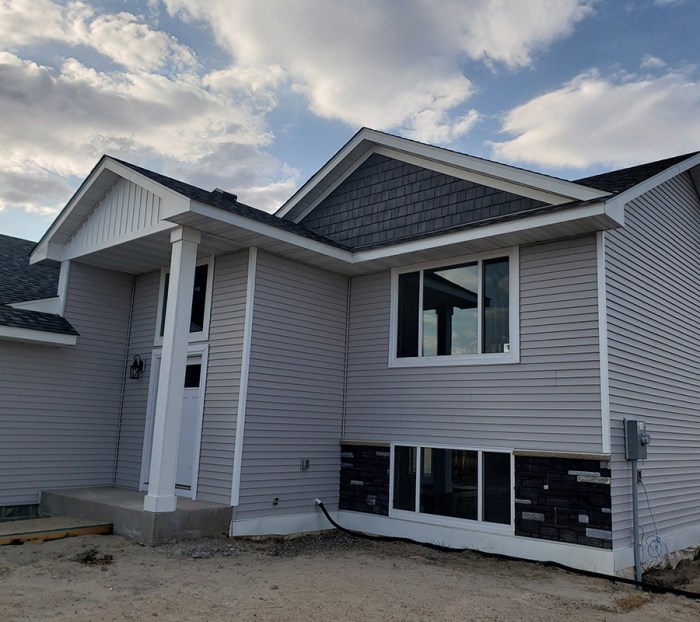
Regular maintenance is crucial for the longevity and appearance of residential siding. By taking proactive steps to care for your siding, homeowners can prevent costly repairs and ensure that their property remains visually appealing.
Tips for Maintaining Residential Siding
- Regularly clean the siding with a mild detergent and water to remove dirt, grime, and mold buildup.
- Inspect the siding for any signs of damage, such as cracks, warping, or discoloration, and address issues promptly.
- Trim trees and bushes near the siding to prevent damage from branches and debris.
- Apply a fresh coat of paint or sealant as needed to protect the siding from the elements.
Common Issues with Siding and Contractor Solutions
- Moisture damage: Contractors can identify areas where moisture has penetrated the siding and recommend solutions such as sealing or replacing damaged sections.
- Pest infestations: Contractors can address pest issues by sealing entry points and recommending treatments to prevent future infestations.
- Warping or buckling: Contractors can assess the cause of warping or buckling and provide solutions such as reinstallation or repairs to restore the siding's integrity.
Outcome Summary
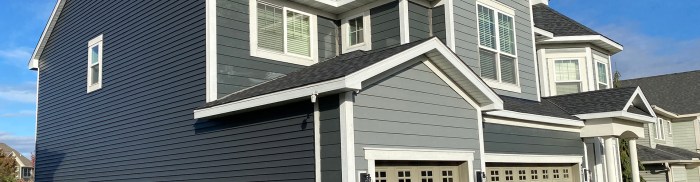
In conclusion, residential siding contractors play a vital role in enhancing the aesthetics and functionality of homes. By prioritizing quality materials, expert installation, and regular maintenance, homeowners can ensure their siding stands the test of time. Dive into the world of siding contractors and elevate your home's exterior with confidence.
Questions Often Asked
What are the benefits of hiring a professional residential siding contractor?
Professional contractors bring expertise, ensure quality installation, and provide valuable insights for the best siding materials.
How can homeowners maintain their siding for longevity?
Regular cleaning, inspections for damage, and prompt repairs are key to extending the lifespan of residential siding.
Are there eco-friendly siding options available from contractors?
Yes, many contractors offer sustainable siding materials that are both environmentally friendly and durable.