


Delving into the realm of exterior siding cost, this article aims to shed light on the various factors, materials, and cost-effective strategies associated with this essential home improvement aspect. From understanding the influencing factors to comparing different siding materials, this comprehensive guide will help you navigate the world of exterior siding costs with ease.
Factors influencing exterior siding cost
When it comes to determining the cost of exterior siding, several factors come into play that can significantly impact the overall price. Understanding these factors can help homeowners make informed decisions and budget accordingly.
Material
The type of material chosen for the exterior siding is one of the most significant factors influencing cost. For example, premium materials like cedar wood or fiber cement tend to be more expensive than vinyl or aluminum siding options. High-cost materials often offer better durability, aesthetics, and long-term value compared to lower-cost alternatives.
Size of the Home
The size of the home directly affects the amount of siding needed, which in turn impacts the overall cost. Larger homes require more materials and labor to install the siding, leading to higher costs. Conversely, smaller homes may be more affordable to side due to the reduced amount of material required.
Quality of Installation
The quality of installation plays a crucial role in determining the final cost of exterior siding. Hiring experienced professionals or reputable contractors may come at a higher price but can ensure proper installation, minimizing the risk of future repairs or replacements.
On the other hand, opting for inexperienced or unlicensed installers may result in additional costs down the line.
Location
The geographical location of the property can also influence exterior siding costs. Factors such as climate, building codes, and accessibility can impact the cost of materials, labor, and permits required for the installation. Areas with harsh weather conditions or high labor costs may see an increase in overall siding expenses.
Design Complexity
The design complexity of the home, including features like angles, curves, and intricate details, can affect the cost of exterior siding. Customized or unique designs may require special materials, additional labor, and expertise, leading to higher overall costs. Simplified designs or standard layouts, on the other hand, may be more budget-friendly.
Examples:
- High-cost siding options: Natural stone, brick, cedar wood
- Low-cost siding options: Vinyl, aluminum, engineered wood
Common types of exterior siding materials
![How Much Does It Cost to Replace or Install Siding? [2026 Data] | Angi](https://mortgage.obortimur.com/wp-content/uploads/2026/05/siding-options-for-your-home.png "How Much Does It Cost to Replace or Install Siding? [2026 Data] | Angi")
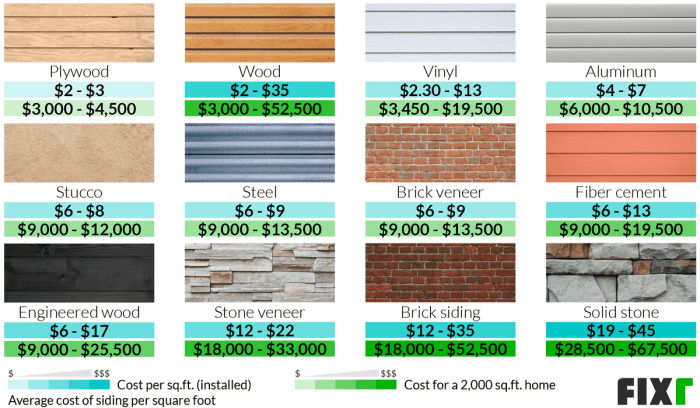
When it comes to choosing the right exterior siding for your home, there are several materials to consider. Each type of material comes with its own set of advantages and disadvantages, as well as varying costs. Let's take a closer look at some common types of exterior siding materials.
Vinyl Siding
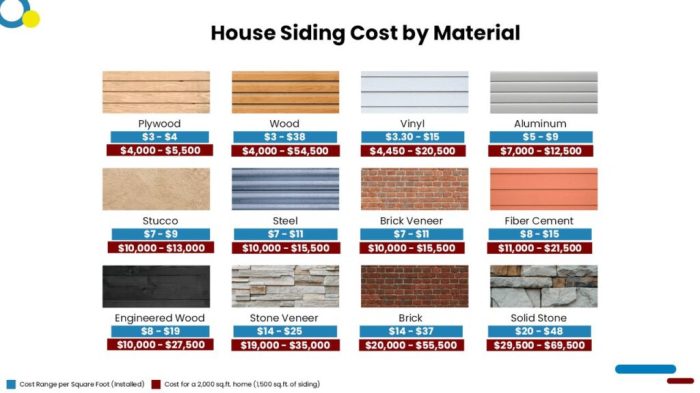
Vinyl siding is one of the most popular choices for homeowners due to its affordability and low maintenance requirements. It typically costs between $2 to $7 per square foot, making it one of the most cost-effective options. However, vinyl siding may not be as durable as other materials and can fade over time.
Fiber Cement Siding
Fiber cement siding is known for its durability and resistance to rot, fire, and insects. It usually costs between $5 to $12 per square foot, making it a mid-range option in terms of cost. While fiber cement siding requires minimal maintenance, it can be more challenging to install compared to other materials.
Wood Siding
Wood siding provides a natural and timeless look to homes, but it requires more maintenance compared to other materials. The cost of wood siding can vary greatly depending on the type of wood used, ranging from $6 to $15 per square foot.
While wood siding can be prone to rot and insect damage, it offers a unique aesthetic appeal.
Brick Siding
Brick siding is a durable and low-maintenance option that can last for decades. The cost of brick siding is on the higher end, typically ranging from $8 to $15 per square foot. While brick siding can provide excellent insulation and protection, it is a heavier material that may require additional structural support.
Stone Veneer Siding
Stone veneer siding offers the look of natural stone at a fraction of the cost. It is typically priced between $8 to $20 per square foot, depending on the quality of the material. Stone veneer siding is lightweight and easy to install, but it may not offer the same level of durability as real stone.
Installation costs and factors affecting them
Installing exterior siding comes with its own set of costs, which can vary based on several factors. Let's break down the typical costs associated with installation and explore how different factors can influence these costs.
Factors influencing installation costs
- Labor: Labor costs can significantly impact the overall installation expenses. Skilled laborers may charge higher rates, but their expertise can ensure a quality installation.
- Location: The region where you live can also affect installation costs. Urban areas or regions with higher living expenses may have higher labor costs compared to rural areas.
- Complexity: The complexity of the installation project, such as the size of the area, the design of the siding, and any additional features, can all contribute to increased costs.
Tips for reducing installation costs
- Get multiple quotes: It's always a good idea to get quotes from different contractors to compare prices and find the most competitive offer.
- Plan ahead: Proper planning and scheduling can help reduce labor costs and prevent delays that could increase overall expenses.
- Consider DIY options: If you have the skills and tools, opting for a do-it-yourself approach can help save on installation costs. However, make sure you have the necessary expertise to avoid any mistakes that could be costly to fix.
Comparing Siding Costs
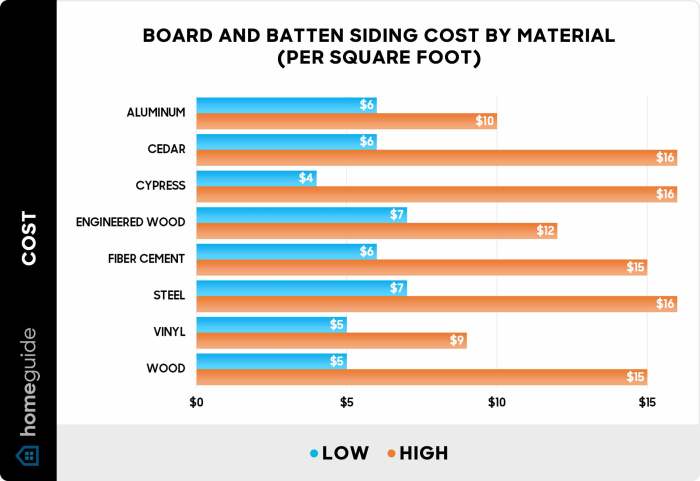
Wood, vinyl, and fiber cement are popular choices for exterior siding, each with its own costs and benefits. Let's compare the siding costs of these materials, along with their long-term maintenance requirements and overall value.
Cost Comparison
| Siding Material | Cost per Square Foot (Installation Included) |
|---|---|
| Wood | $7
|
| Vinyl | $3
|
| Fiber Cement | $5
|
Long-Term Maintenance
- Wood: Requires regular painting or staining to maintain appearance and protect against rot and pests. This can add to long-term costs.
- Vinyl: Minimal maintenance required, usually just periodic cleaning with soap and water. Resistant to rot and pests.
- Fiber Cement: Needs repainting every 10-15 years, but is highly durable and resistant to insects and rot.
Durability and Aesthetic Value
- Wood: Offers a natural, timeless look but is susceptible to moisture damage and pests if not properly maintained.
- Vinyl: Comes in a variety of colors and styles, is durable, and is resistant to moisture, rot, and pests.
- Fiber Cement: Known for its durability and resistance to fire, insects, and rot. It can mimic the look of wood or stucco.
Cost-effective strategies for choosing exterior siding
When it comes to choosing exterior siding for your home, there are several cost-effective strategies you can use to get the best value for your money. By following these tips, you can find quality siding options that fit within your budget without compromising on durability or aesthetics.
Importance of Budgeting and Getting Multiple Quotes
Budgeting is a crucial step in selecting cost-effective siding options. Determine how much you can afford to spend on siding installation and materials. Research different types of siding materials and their costs to see which ones align with your budget.Getting multiple quotes from contractors is also essential.
Reach out to several siding contractors to compare prices and services. By doing so, you can identify cost-effective options that offer competitive pricing without sacrificing quality.
Leveraging Discounts or Promotions
Take advantage of discounts or promotions offered by siding manufacturers or contractors. Many companies run promotions during certain times of the year or offer discounts for new customers. By leveraging these deals, you can reduce the overall cost of your siding project.Look for rebates or incentives from government programs or energy-efficient initiatives.
Some siding materials may qualify for tax credits or rebates, helping you save money in the long run. Be sure to explore all available discounts and promotions to maximize your cost savings.
Outcome Summary
As we wrap up our exploration of exterior siding costs, it becomes clear that making informed decisions about materials, installation, and budgeting is crucial for any homeowner. By considering the factors discussed and implementing cost-effective strategies, you can enhance the value and appeal of your property while staying within your budget constraints.
Popular Questions
What are some factors that can influence exterior siding cost?
Factors such as material quality, siding type, labor costs, and geographical location can all impact the overall cost of exterior siding.
What are some cost-effective strategies for choosing exterior siding?
To choose cost-effective siding, consider materials like vinyl or fiber cement, get multiple quotes from contractors, and leverage discounts or promotions to reduce overall costs.
How do wood, vinyl, and fiber cement siding compare in terms of cost and durability?
Wood siding tends to be more expensive upfront but can require more maintenance, while vinyl and fiber cement are more cost-effective options with lower maintenance needs.