


When it comes to maintaining the exterior of your home, timely vinyl siding repair plays a crucial role. Neglecting such repairs can result in more extensive damage, especially when impacted by varying weather conditions. Let's delve into the world of vinyl siding repair to understand its importance and how to tackle common issues effectively.
Importance of vinyl siding repair
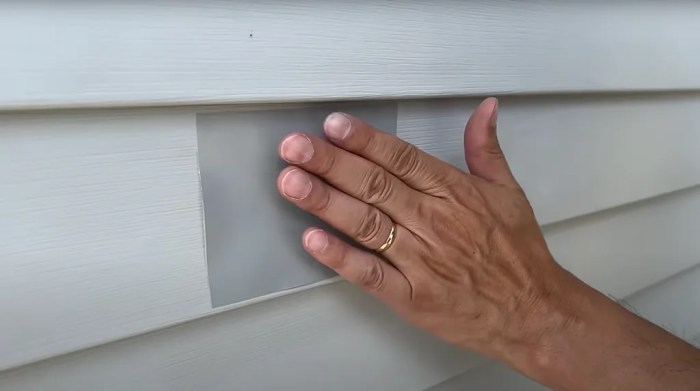
Timely vinyl siding repair is crucial for maintaining a home's exterior. Vinyl siding serves as a protective barrier against the elements, maintaining the structural integrity of a house. Neglecting vinyl siding repair can lead to more extensive damage, compromising the aesthetics and functionality of the exterior.
Impact of weather conditions
Weather conditions play a significant role in the need for vinyl siding repair. Exposure to harsh elements such as rain, snow, and UV rays can cause wear and tear on vinyl siding over time. Without proper maintenance and repair, the siding can deteriorate, leading to water infiltration, mold growth, and structural issues.
It is essential to address any signs of damage promptly to prevent further deterioration and costly repairs in the future.
Common issues requiring vinyl siding repair
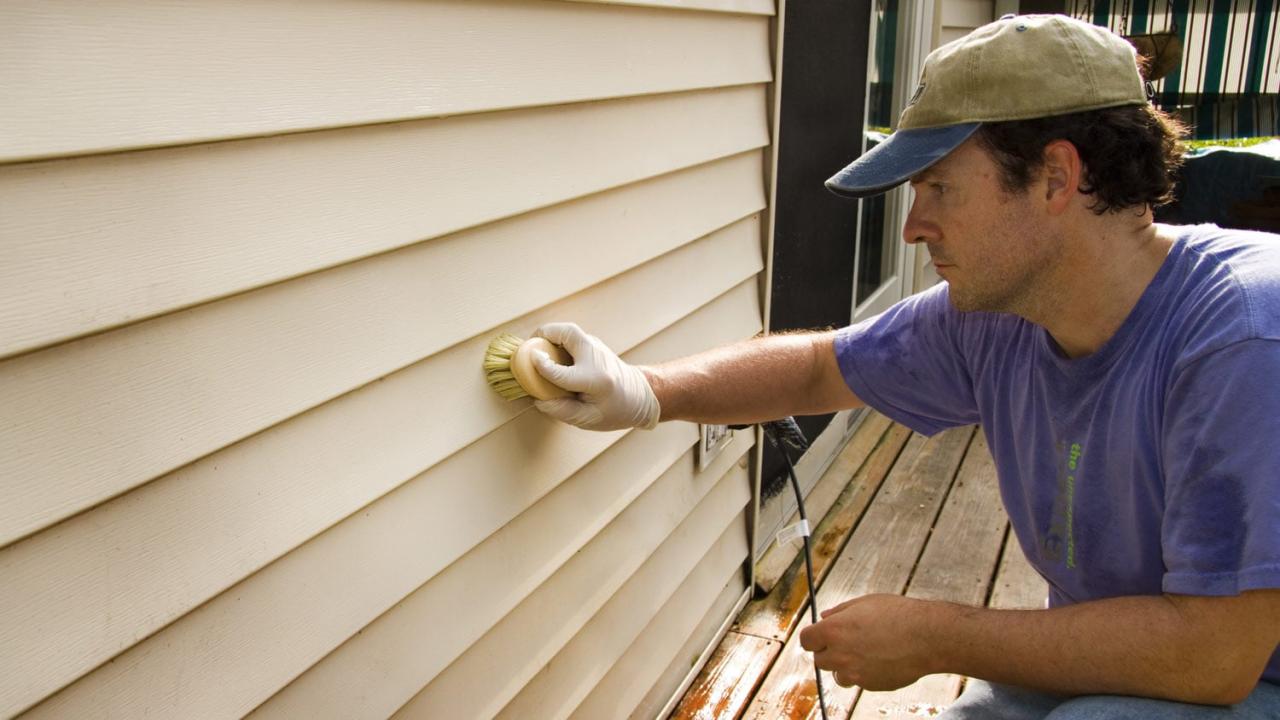
Vinyl siding, while durable, can still face a variety of issues that may require repair to maintain the appearance and functionality of your home's exterior. These common problems can arise due to various factors, including age, quality of the siding, and environmental conditions.
Cracks
Cracks in vinyl siding are a frequent issue that can occur over time, especially in older or lower-quality materials. These cracks can be caused by exposure to extreme temperatures, impact damage from hail or debris, or improper installation. If left unaddressed, cracks can lead to water infiltration and further damage to the siding and underlying structure.
Warping
Warping is another common problem with vinyl siding, often resulting from prolonged exposure to sunlight and heat. As the siding expands and contracts with temperature changes, it can become distorted and lose its original shape. This not only affects the aesthetic appeal of your home but can also impact the siding's ability to protect your home from the elements.
Fading
Vinyl siding is susceptible to fading over time, particularly when exposed to UV rays from the sun. Fading can make your home's exterior look worn and outdated, diminishing its curb appeal. While fading may not impact the functionality of the siding, it can significantly affect the overall appearance of your home.These examples highlight the importance of addressing issues with vinyl siding promptly to prevent further damage and maintain the beauty and integrity of your home's exterior.
Methods for repairing vinyl siding
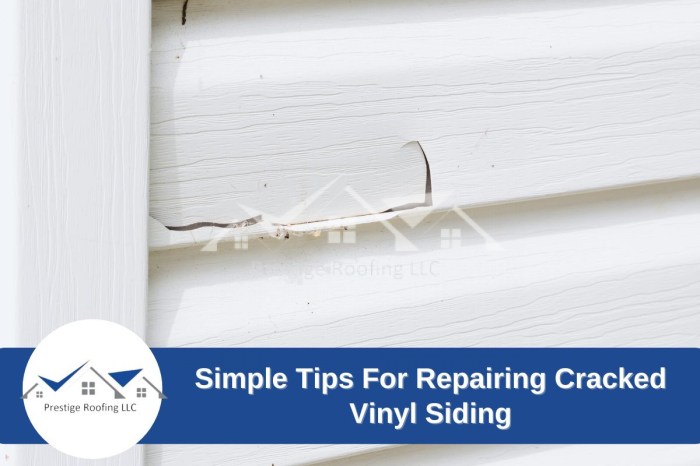
Repairing vinyl siding can be done through various methods, depending on the extent of the damage. Here, we will discuss step-by-step procedures for repairing minor cracks, techniques for replacing damaged sections, and compare DIY repair approaches with professional repair services.
Repairing minor cracks in vinyl siding
Minor cracks in vinyl siding can be repaired easily with the following steps:
- Clean the area around the crack with a mild detergent and water.
- Apply a small amount of PVC-compatible adhesive into the crack.
- Press the crack together and hold it in place until the adhesive sets.
- Wipe off any excess adhesive and allow it to dry completely.
Replacing damaged sections of vinyl siding
When replacing damaged sections of vinyl siding, follow these steps:
- Remove the damaged section by unlocking the pieces above and below it.
- Cut the new piece of siding to fit the space, leaving a small gap for expansion.
- Slide the new piece into place and lock it into position.
- Secure the new piece with nails or screws, ensuring it is level with the existing siding.
DIY repair approaches vs. professional repair services
While DIY repairs can save money, professional repair services offer expertise and quality work
- DIY repairs are cost-effective but may lack professional finishing.
- Professional repair services ensure proper installation and long-term durability.
- DIY repairs require time and effort, while professionals can complete the job efficiently.
- Complex repairs or extensive damage may be best handled by professionals to avoid further issues.
Tools and materials for vinyl siding repair
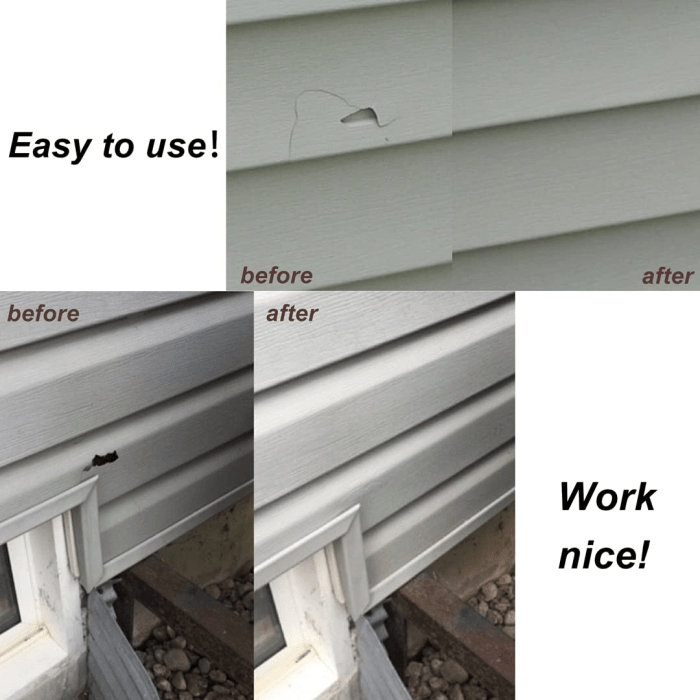
When it comes to repairing vinyl siding, having the right tools and materials is essential for a successful outcome. Here is a breakdown of the essential tools needed for basic vinyl siding repairs and the types of materials required for different repair tasks.
Essential Tools for Basic Vinyl Siding Repairs
- Siding removal tool: Helps in safely removing damaged siding panels without causing further damage.
- Hammer: Used for securing loose siding panels or nails.
- Tape measure: Ensures accurate measurements for cutting replacement panels.
- Tin snips: Needed for cutting and trimming siding panels to fit properly.
- Caulk gun: Used for applying sealant to prevent water infiltration behind siding.
- Level: Ensures that replacement panels are installed straight and level.
Types of Materials Required for Different Repair Tasks
- Vinyl siding panels: Used to replace damaged or missing panels.
- J-channel: Helps in finishing edges around windows, doors, and corners.
- Siding clips: Secure siding panels to the exterior of the house.
- Sealant: Prevents water infiltration behind siding panels.
- Replacement nails: Used to secure siding panels to the wall.
Tips on Selecting Quality Materials for Long-lasting Repairs
- Choose vinyl siding panels that match the color and texture of your existing siding for a seamless repair.
- Opt for high-quality sealants that are weather-resistant and flexible to prevent future water damage.
- Invest in durable siding clips and nails to ensure that the repaired panels stay securely in place.
- Consider the climate in your area when selecting materials to ensure they can withstand the local weather conditions.
Final Review
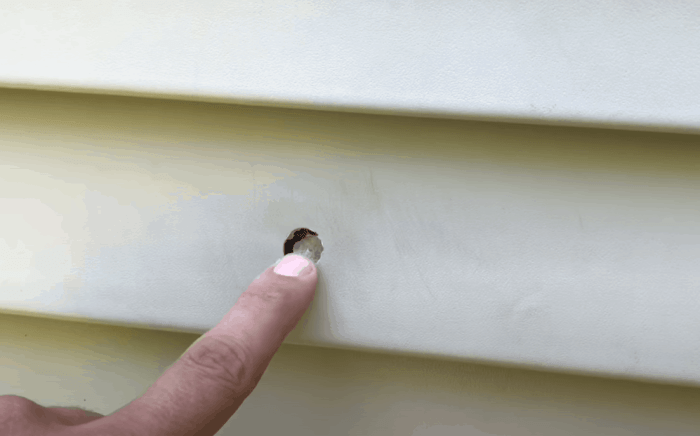
As we conclude our discussion on vinyl siding repair, it's evident that proactive maintenance is key to preserving your home's exterior. By following the right methods and using quality tools and materials, you can ensure long-lasting repairs that keep your vinyl siding in top condition.
Expert Answers
How often should vinyl siding repair be done?
It's recommended to inspect your vinyl siding annually for any signs of damage and perform repairs as needed.
Can I paint over repaired vinyl siding?
Yes, you can paint over repaired vinyl siding once the repairs have been properly completed and allowed to dry.
Is it necessary to hire a professional for vinyl siding repair?
While DIY repairs are possible for minor issues, hiring a professional ensures more complex repairs are done correctly.