


Embark on a journey of improving your property with our comprehensive guide to siding panel replacement. From understanding the basics to mastering the installation process, this guide covers it all.
Delve into the world of siding panel replacement and discover how you can elevate the aesthetics and functionality of your home effortlessly.
Introduction to Siding Panel Replacement
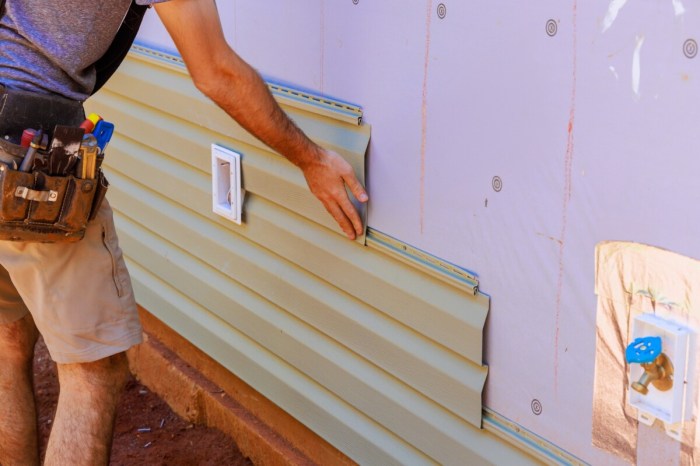
Siding panel replacement refers to the process of removing and replacing damaged or worn-out siding panels on a property. This maintenance task is essential for preserving the structural integrity and visual appeal of a building.
It is crucial to maintain siding panels on a property as they serve as the first line of defense against the elements, such as rain, wind, and snow. By ensuring that the siding panels are in good condition, homeowners can prevent water infiltration, mold growth, and energy loss.
Common Reasons for Siding Panel Replacement
- Damage from severe weather conditions, such as hail, storms, or strong winds, can cause cracks, dents, or breakage in siding panels.
- Aging and wear over time can lead to fading, warping, or deterioration of siding panels, making them less effective in protecting the property.
- Poor installation or maintenance practices can result in gaps, loose panels, or improper sealing, creating opportunities for water damage and pest infestations.
Types of Siding Materials
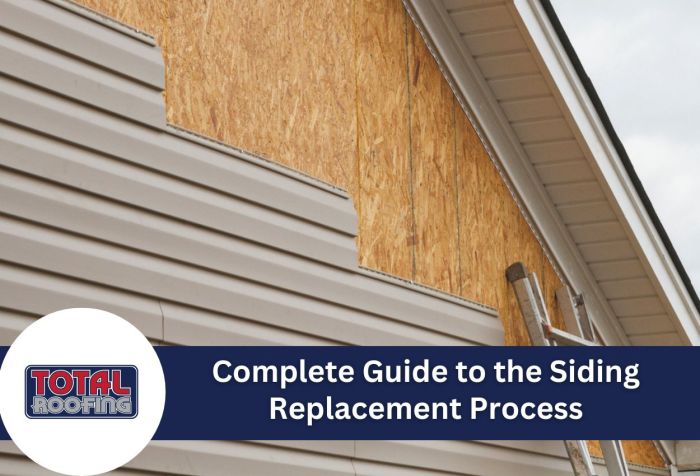
When it comes to siding panel replacement, there are several types of siding materials commonly used. Each material has its own unique characteristics that impact the overall replacement procedures.
Vinyl Siding
- One of the most popular choices due to its affordability and low maintenance.
- Comes in a variety of colors and styles to suit different aesthetic preferences.
- Easy to clean and resistant to moisture, rot, and insects.
Wood Siding
- Offers a traditional, classic look that adds warmth and character to a home.
- Can be painted or stained in various colors to match the design of the house.
- Requires regular maintenance to prevent rot, mold, and insect damage.
Fiber Cement Siding
- A durable option that mimics the look of wood without the high maintenance.
- Resistant to fire, rot, and insects, making it a long-lasting choice.
- Heavier than other siding materials, requiring careful handling during installation.
Aluminum Siding
- Lightweight and easy to install, making it a cost-effective choice.
- Resistant to fire, moisture, and insects, providing durability and longevity.
- May dent or scratch easily, requiring occasional maintenance to keep its appearance intact.
Signs That Siding Panels Need Replacement
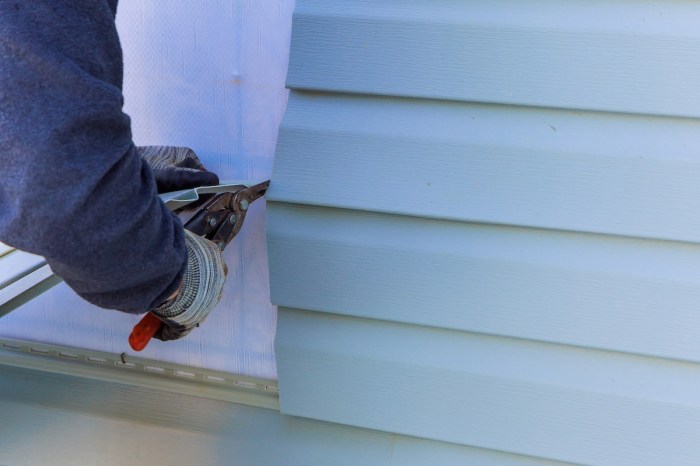
When it comes to the exterior of your home, the condition of your siding panels plays a crucial role in both aesthetics and functionality. Knowing when it's time to replace your siding panels can save you from costly repairs down the line.Weather conditions can significantly impact the lifespan of siding panels.
Exposure to harsh elements like rain, snow, and UV rays can cause wear and tear over time, leading to damage that may require replacement.
Visual Cues for Replacement
- Cracks or holes in the siding
- Warped or buckling panels
- Fading or discoloration
- Mold or mildew growth
Weather-Related Damage
- Water damage from leaks or moisture penetration
- Wind damage causing panels to come loose
- Hail damage leading to dents or cracks
Examples of Damage
- Rotting or decaying panels
- Pest infestation in the siding
- Peeling or chipping paint
- Visible signs of age and deterioration
Preparation for Siding Panel Replacement
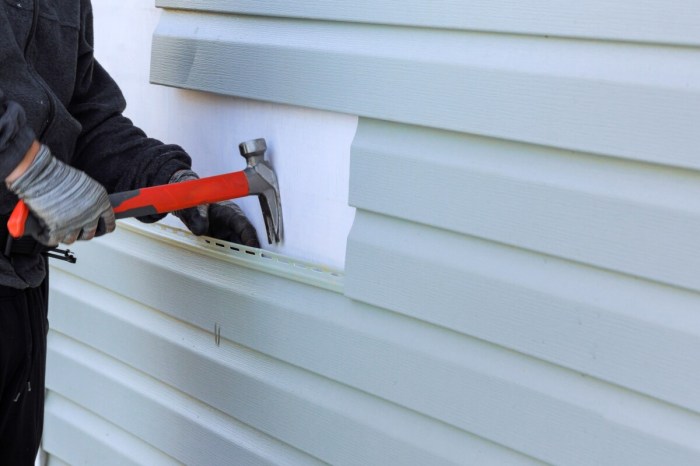
Proper preparation is essential before starting a siding panel replacement project. This includes gathering the necessary tools and equipment, understanding the process, and prioritizing safety measures.
Tools and Equipment Needed
- Siding removal tool or pry bar
- Hammer
- Nails or screws
- Tape measure
- Circular saw or utility knife
- Ladder or scaffolding
- Caulk gun
Importance of Proper Preparation
Proper preparation ensures a smoother and more efficient replacement process, minimizing errors and potential damage to the surrounding area.
- Having the right tools on hand saves time and effort during the project.
- Understanding the process helps prevent mistakes that can lead to costly repairs.
- Preparation allows for a more organized approach, leading to a higher quality finished result.
Safety Measures During Replacement
- Wear appropriate safety gear such as gloves, goggles, and a dust mask to protect yourself from debris and sharp edges.
- Ensure the ladder or scaffolding is stable and secure before climbing to reach higher areas.
- Avoid working alone, especially when using power tools or working at heights.
- Be mindful of electrical wires or other hazards that may be hidden behind the siding.
Steps to Replace Siding Panels
When it comes to replacing siding panels, it's important to follow a systematic approach to ensure a successful outcome. Below are the steps to guide you through the process:
Removing Old Siding Panels
- Start by carefully removing the trim pieces around the siding panels using a pry bar.
- Use a zip tool to unlock the siding panels from each other and from the wall.
- Gently pull the siding panels away from the wall, starting from the top and working your way down.
- Inspect the underlying surface for any damage or rot that needs to be addressed before installing new siding panels.
Preparing the Area for New Siding Installation
- Clean the exposed wall surface thoroughly to remove any dirt, debris, or old caulk.
- Inspect the insulation and replace or repair any damaged sections.
- Apply a weather-resistant barrier or house wrap to provide an additional layer of protection against moisture.
- Install new flashing around windows, doors, and corners to ensure proper water drainage.
Installing and Securing New Siding Panels
- Begin by measuring and cutting the new siding panels to fit the dimensions of the wall.
- Slide the bottom edge of the first siding panel into the J-channel at the bottom of the wall.
- Secure the siding panel in place using nails or screws, making sure to leave a small gap for expansion and contraction.
- Continue installing the remaining siding panels, ensuring they overlap correctly and are securely fastened.
Cost Considerations and Budgeting
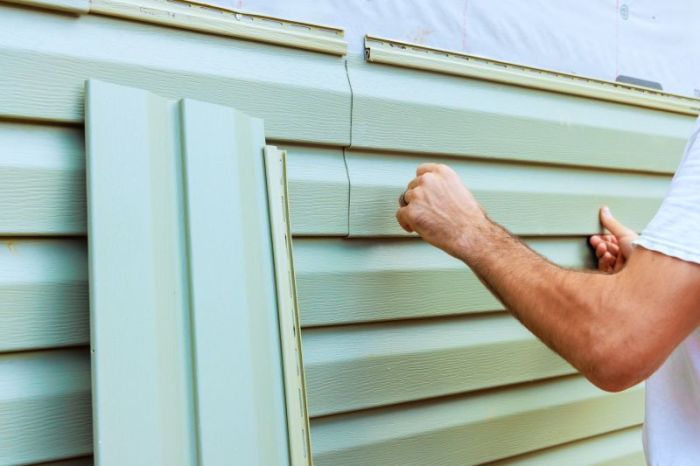
When it comes to siding panel replacement, understanding the cost factors and budgeting appropriately is crucial for a successful project. Let's delve into the key considerations to help you plan your budget effectively.
Factors Influencing the Cost of Siding Panel Replacement
- The size of your home: Larger homes will require more materials, resulting in higher costs.
- Choice of siding material: Different materials come at varying price points, with some being more expensive than others.
- Extent of damage: If there is extensive damage to your current siding, additional repairs may be needed, leading to increased costs.
- Location: Labor costs can vary depending on the region or city where you reside.
Tips for Budgeting and Estimating Expenses
- Get multiple quotes from different contractors to compare prices and choose the most cost-effective option.
- Allocate a buffer for unexpected expenses that may arise during the replacement process.
- Consider the long-term benefits of investing in high-quality siding materials to avoid frequent replacements in the future.
Cost-Effectiveness of DIY vs. Hiring Professionals
- DIY: While DIY projects can save you money on labor costs, it is essential to have the necessary skills and tools to ensure a successful replacement. Mistakes could end up costing more in the long run.
- Hiring professionals: While professional installation may come at a higher initial cost, it can save you time and ensure the job is done correctly. Additionally, professionals may have access to discounted materials through their suppliers.
Maintenance Tips After Siding Panel Replacement
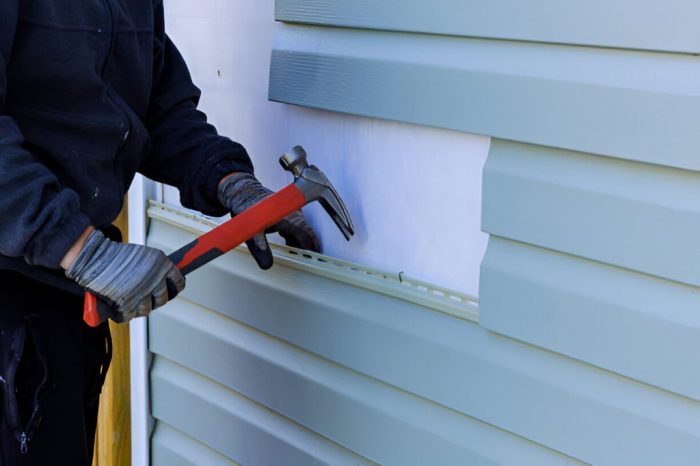
After replacing siding panels, it is important to maintain them properly to ensure their longevity and keep them looking their best. Regular maintenance can help prevent damage and extend the lifespan of your siding. Here are some maintenance tips to consider:
Regular Cleaning
- Regularly clean your siding panels with a mixture of mild soap and water to remove dirt, grime, and other debris that can accumulate over time.
- Avoid using harsh chemicals or abrasive cleaners, as they can damage the siding material.
- Rinse the siding thoroughly with water after cleaning to ensure all soap residue is removed.
Inspecting for Damage
- Regularly inspect your siding panels for any signs of damage, such as cracks, warping, or loose panels.
- If you notice any damage, repair it promptly to prevent further issues and maintain the integrity of the siding.
Trimming Vegetation
- Keep vegetation trimmed and away from the siding panels to prevent moisture buildup, mold growth, and damage to the panels.
- Trimming vegetation also helps improve airflow around the siding, which can prevent moisture-related issues.
Painting and Sealing
- If your siding panels require painting or sealing, make sure to follow the manufacturer's recommendations for the specific type of siding material.
- Properly painted and sealed siding can help protect the panels from weather damage and prolong their lifespan.
Final Conclusion
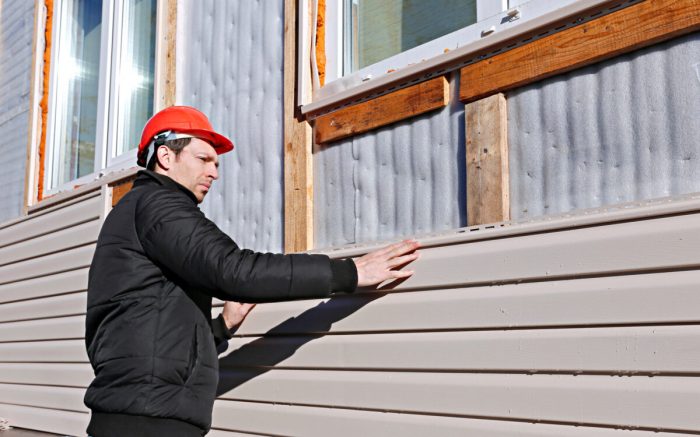
As we wrap up this discussion on siding panel replacement, remember that maintaining the beauty and integrity of your property is just a replacement away. Take charge of your home's exterior and enjoy the benefits of a fresh, new look.
Questions and Answers
What are some signs that indicate siding panels need replacement?
Common signs include noticeable cracks, warping, or rotting of the panels. If you see any of these, it might be time for a replacement.
How can weather conditions impact the lifespan of siding panels?
Extreme weather like heavy rain or intense sunlight can deteriorate siding panels faster, reducing their lifespan significantly.
Is DIY siding panel replacement cost-effective compared to hiring professionals?
While DIY can save money upfront, hiring professionals ensures a quality installation that may be more cost-effective in the long run.