


Custom vinyl siding installation is more than just a home improvement project - it's a transformation. With a myriad of design options and benefits, this process allows homeowners to elevate the look and feel of their homes while also ensuring durability and low maintenance.
From choosing the perfect color to understanding the installation process, custom vinyl siding offers a world of possibilities for creating a personalized and stylish exterior.
As we delve deeper into the intricacies of custom vinyl siding installation, we uncover a wealth of information that guides you through every step of the journey, ensuring a seamless and rewarding experience.
Introduction to Custom Vinyl Siding Installation
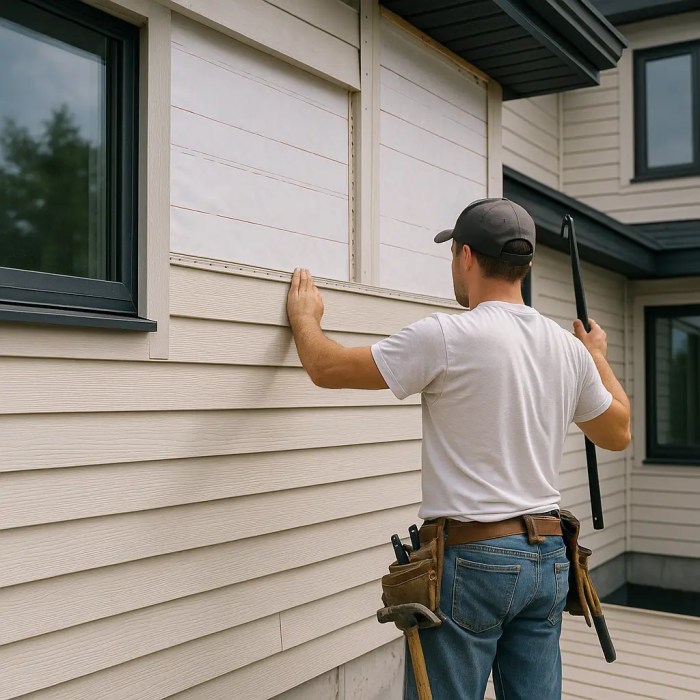
Custom vinyl siding installation refers to the process of fitting vinyl siding to the exterior of a building in a personalized and tailored manner. This type of siding offers a range of benefits and can greatly enhance the appearance and functionality of a property.
Benefits of Choosing Custom Vinyl Siding
- Customization: With custom vinyl siding, homeowners have the flexibility to choose from a variety of colors, styles, and textures to suit their preferences and complement the overall design of their home.
- Durability: Vinyl siding is known for its durability and ability to withstand various weather conditions, making it a long-lasting option for protecting the exterior of a property.
- Low Maintenance: Custom vinyl siding requires minimal maintenance compared to other siding materials, saving homeowners time and money in the long run.
- Energy Efficiency: Vinyl siding can help improve the energy efficiency of a home by providing insulation and reducing energy costs.
Importance of Professional Installation Services
While some homeowners may attempt to install vinyl siding themselves, it is crucial to enlist the help of professional installation services for a seamless and high-quality finish. Professional installers have the expertise and tools necessary to ensure that the siding is installed correctly and efficiently, minimizing the risk of issues such as leaks or damage.
Custom Vinyl Siding Design Options
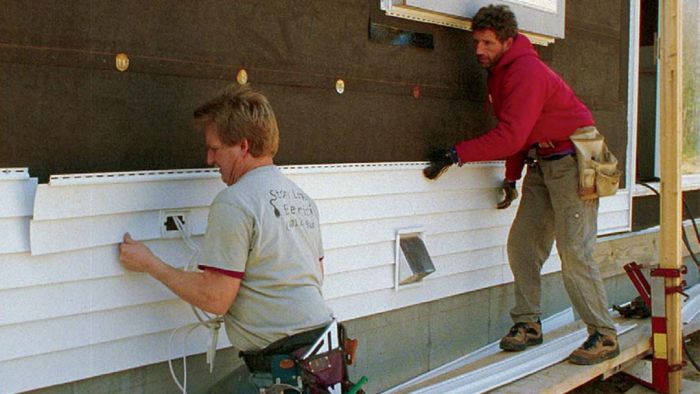
When it comes to custom vinyl siding, homeowners have a wide range of design options to choose from. Whether you're looking for a traditional look or a more modern aesthetic, there are plenty of choices available to suit your style and preferences.From color choices to finishes, custom vinyl siding allows you to personalize your home's exterior to reflect your unique taste.
Here are some design options to consider when customizing your vinyl siding:
Color Choices
- Classic white for a clean and timeless look.
- Earthy tones like beige or tan for a warm and inviting feel.
- Bold colors like blue or red for a pop of personality.
Finishes
- Matte finish for a subtle and understated appearance.
- Glossy finish for a sleek and modern vibe.
- Wood grain finish for a natural and rustic look.
Matching Architectural Styles
- Colonial style homes can benefit from clapboard vinyl siding.
- Contemporary homes may look great with vertical vinyl siding.
- Craftsman style homes can be enhanced with shake vinyl siding.
Steps for Preparing for Custom Vinyl Siding Installation
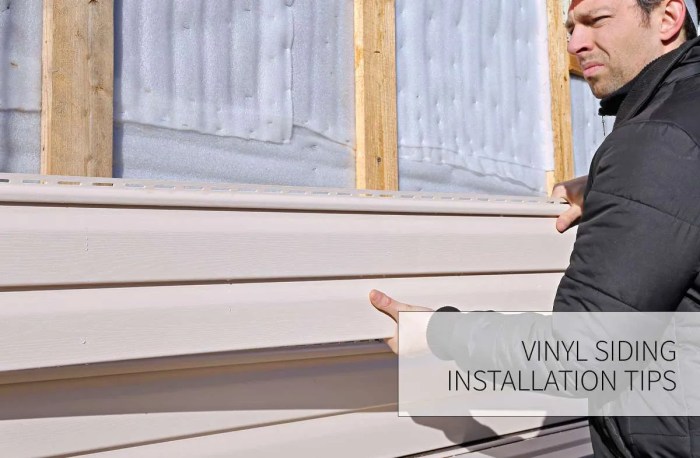
Before diving into the installation process, it is crucial to make sure you have taken the necessary steps to prepare for custom vinyl siding installation. This includes measuring and estimating materials, as well as ensuring the surface is ready for installation.
Measuring and Estimating Materials
- Begin by measuring the dimensions of the walls where the vinyl siding will be installed. This will help you determine the amount of siding needed.
- Consider factors such as the height of the walls, any doors or windows that will need siding around them, and any additional trim pieces required.
- Estimate the amount of siding needed by calculating the square footage of the walls to be covered.
- It is always better to overestimate slightly to account for any mistakes or unexpected issues that may arise during installation.
Ensuring the Surface is Ready for Installation
- Inspect the surface where the vinyl siding will be installed for any damage, rot, or mold. These issues must be addressed before proceeding with the installation.
- Repair any damaged areas and replace any rotten or moldy sections to ensure a solid foundation for the siding.
- Clean the surface thoroughly to remove any dirt, debris, or old paint that could affect the adhesion of the vinyl siding.
- Make sure the surface is completely dry before starting the installation to prevent any moisture-related issues down the line.
Installation Process of Custom Vinyl Siding
Installing custom vinyl siding requires careful planning and precise execution to ensure a durable and visually appealing result. Here is a step-by-step guide to help you through the process.
Cutting and Fitting Vinyl Siding Panels
- Measure the length of the wall where the siding will be installed and mark the dimensions on the vinyl siding panel.
- Use a sharp utility knife or vinyl siding cutter to cut the panel along the marked lines. Make sure to cut accurately to avoid gaps or uneven edges.
- Fit the cut panel onto the wall, starting from the bottom and working your way up. Slide the panel into the trim pieces for a secure fit.
- Overlap the edges of the panels slightly to allow for expansion and contraction due to temperature changes.
Tools Required for a Successful Installation
- Vinyl siding panels
- Vinyl siding cutter or utility knife
- Level
- Tape measure
- Nails or screws
- J-channel and trim pieces
- Caulk and sealant
- Ladder or scaffold for reaching higher areas
Maintenance and Care of Custom Vinyl Siding
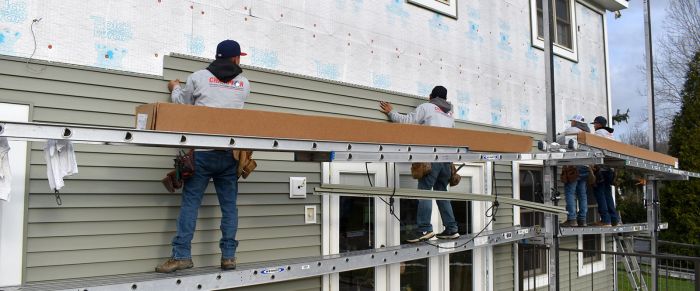
Proper maintenance and care are essential to ensure the longevity and aesthetic appeal of custom vinyl siding. By following some simple tips, you can keep your siding looking great for years to come.
Cleaning and Protecting Vinyl Siding
To clean your custom vinyl siding, you can use a mixture of water and mild soap. Avoid using harsh chemicals or abrasive materials, as they can damage the siding. Use a soft cloth or a gentle brush to scrub the siding gently, working from top to bottom.
Rinse with clean water to remove any soap residue.For added protection, consider applying a vinyl siding cleaner or mildew remover once or twice a year. This will help prevent the growth of mold and mildew, keeping your siding looking fresh and clean.
Common Issues and Solutions
Fading
Over time, vinyl siding may fade due to exposure to sunlight. To address this issue, consider painting the siding with a high-quality exterior paint that is compatible with vinyl. This can help restore the color and protect the siding from further damage.
Cracking or Warping
Extreme temperatures can cause vinyl siding to crack or warp. Inspect your siding regularly for any signs of damage and replace any affected panels as needed. Proper insulation and ventilation can also help prevent this issue.
Mold and Mildew
If you notice mold or mildew growth on your vinyl siding, use a mixture of water and bleach to clean the affected areas. Be sure to wear protective gear, such as gloves and goggles, when handling bleach. Consider installing a dehumidifier or improving ventilation to prevent future mold growth.By following these maintenance tips and addressing common issues promptly, you can keep your custom vinyl siding in excellent condition for years to come.
Final Review
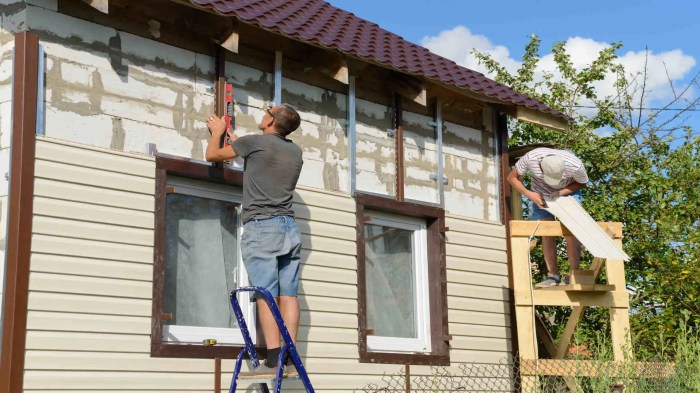
As we conclude our exploration of custom vinyl siding installation, it becomes clear that this versatile solution not only enhances the aesthetic appeal of your home but also provides long-lasting protection and ease of maintenance. With the right design choices and professional installation services, custom vinyl siding can truly transform your home into a masterpiece of style and function.
Expert Answers
What are the benefits of custom vinyl siding installation?
Custom vinyl siding offers enhanced durability, low maintenance, and a wide range of design options to elevate the look of your home.
How do I prepare for custom vinyl siding installation?
Prior to installation, ensure proper measurements, estimate materials needed, and prepare the surface by cleaning and repairing any damage.
What maintenance is required for custom vinyl siding?
Regular cleaning and periodic inspections are key for maintaining custom vinyl siding. Ensure to address any issues promptly to prevent damage.