


Embark on a journey into the world of residential vinyl siding installation, where we explore the ins and outs of this popular home improvement choice. Discover the benefits, types, and maintenance tips that come with choosing vinyl siding for your home.
Overview of Residential Vinyl Siding Installation
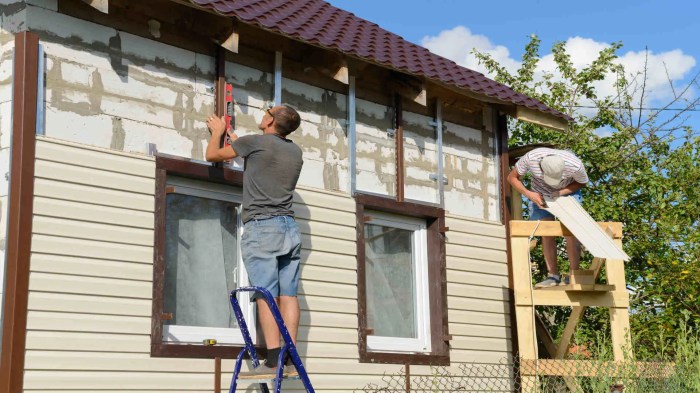
Residential vinyl siding is a popular choice for homeowners looking to improve the appearance and durability of their homes. Made from PVC (polyvinyl chloride) resin, vinyl siding is a versatile material that can mimic the look of wood, stone, or other materials while offering superior protection against the elements.
Benefits of Choosing Vinyl Siding
- Low Maintenance: Vinyl siding is easy to clean and requires minimal upkeep compared to other siding materials.
- Durability: Vinyl siding is resistant to rot, insect damage, and weathering, providing long-lasting protection for your home.
- Cost-Effective: Vinyl siding is an affordable option that can help improve the energy efficiency of your home, potentially reducing heating and cooling costs.
- Versatility: With a wide range of colors and styles available, vinyl siding can be customized to match your home's aesthetic.
Importance of Proper Installation
Proper installation of residential vinyl siding is crucial for ensuring its longevity and performance. Improper installation can lead to issues such as water infiltration, warping, and buckling, compromising the integrity of your home's exterior. Hiring a professional siding contractor with experience in vinyl siding installation can help prevent these problems and ensure a seamless finish that enhances your home's curb appeal.
Types of Vinyl Siding
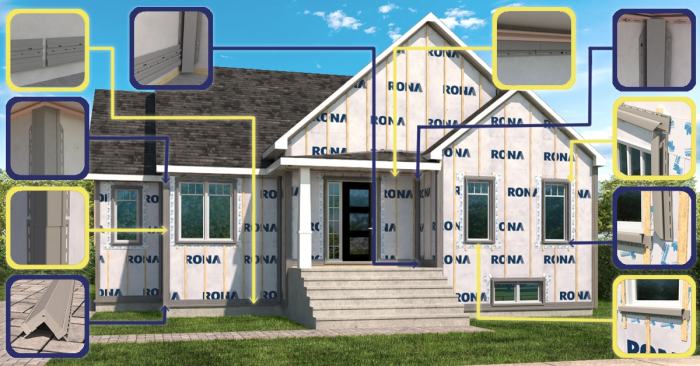
When it comes to residential vinyl siding installation, homeowners have a variety of options to choose from in terms of types, styles, colors, and textures. Selecting the right vinyl siding for your home is crucial as it not only enhances the aesthetics but also provides protection against the elements.
Styles of Vinyl Siding
- Traditional Lap Siding: This classic style mimics the look of wooden clapboards and is one of the most popular choices for residential properties.
- Vertical Siding: Vertical panels offer a unique look and can add visual interest to a home's exterior.
- Shake and Shingle Siding: These styles replicate the appearance of wood shakes or shingles, providing a rustic and charming look.
Colors and Textures
- Color Options: Vinyl siding comes in a wide range of colors, allowing homeowners to choose a shade that complements their home's architectural style and surroundings.
- Texture Variations: From smooth finishes to textured patterns that mimic wood grain or stone, there are plenty of options to add depth and character to your home's exterior.
Factors to Consider
- Budget: Determine how much you are willing to spend on vinyl siding installation, keeping in mind that higher-quality materials may come at a higher price.
- Climatic Conditions: Consider the weather conditions in your area and choose vinyl siding that can withstand extreme temperatures, humidity, and other environmental factors.
- Maintenance Requirements: Some vinyl siding options are easier to maintain than others, so think about how much time and effort you are willing to invest in upkeep.
- Curb Appeal: Select a style and color of vinyl siding that enhances your home's curb appeal and increases its resale value.
Preparation for Installation
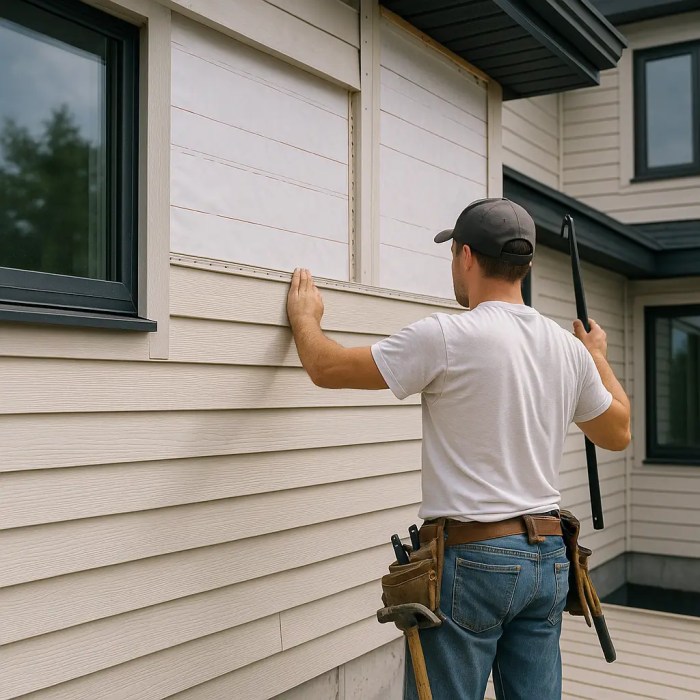
When it comes to installing vinyl siding on a residential property, proper preparation is key to ensuring a successful outcome. This involves taking the necessary steps to get the house ready for the installation process, which includes inspecting the exterior walls, gathering the required tools and materials, and making any necessary repairs.
Steps Involved in Preparing a House for Vinyl Siding Installation
- Inspect the exterior walls for any damage, rot, or mold that may need to be addressed before installing vinyl siding. Repair any issues to ensure a solid foundation for the new siding.
- Clean the exterior walls thoroughly to remove any dirt, debris, or old paint that could affect the adhesion of the vinyl siding.
- Measure the walls accurately to determine the amount of vinyl siding needed for the installation.
- Apply a weather-resistant barrier, such as house wrap, to provide an additional layer of protection against moisture infiltration.
Tools and Materials Needed for Installation
- Vinyl siding panels
- J-channel
- Corner posts
- Trim pieces
- Nails or screws
- Vinyl siding cutter
- Tape measure
- Level
- Utility knife
- Caulk and caulk gun
Importance of Inspecting the Exterior Wall Condition
Inspecting the exterior wall condition before installing vinyl siding is crucial to ensure a smooth and successful installation process. By identifying and addressing any underlying issues, such as rot or mold, you can prevent future damage to the siding and the structure of the house.
Additionally, a thorough inspection allows you to make any necessary repairs or modifications to the walls, providing a stable and secure foundation for the vinyl siding to be installed
Installation Process
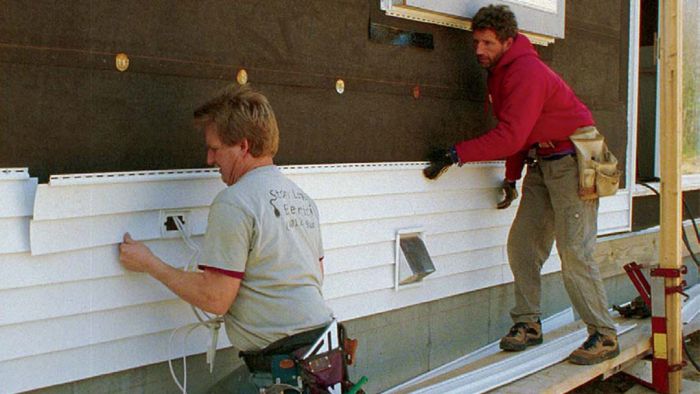
Installing vinyl siding on a residential property involves several steps to ensure a proper and durable application. Here's a detailed breakdown of the installation process:
Cutting and Fitting Vinyl Siding Panels
- Measure twice, cut once: Accurate measurements are crucial when cutting vinyl siding panels. Double-check your measurements before making any cuts to avoid wastage.
- Use a sharp utility knife or vinyl siding snips: Make clean and precise cuts on the panels to ensure a seamless fit.
- Test fit before securing: Before nailing the panels in place, test fit them to ensure they align correctly and make any necessary adjustments.
Securing Vinyl Siding
- Start from the bottom up: Begin installing vinyl siding from the bottom of the wall, overlapping each panel to prevent water infiltration.
- Use the right type of nails: Stainless steel or galvanized nails are recommended to secure vinyl siding and prevent rust over time.
- Don't overdrive the nails: Hammer the nails in just enough to hold the siding in place without distorting or damaging the panels.
- Allow for expansion and contraction: Leave a small gap at the ends of each panel to accommodate temperature changes and prevent buckling.
- Secure accessories and trim pieces: Install J-channels, corner posts, and other trim pieces securely to complete the look and ensure weather resistance.
Maintenance and Care
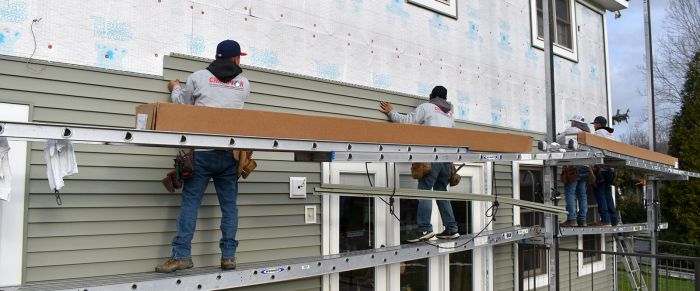
After the installation of vinyl siding, it is essential for homeowners to properly maintain and care for it to ensure longevity and keep it looking its best.
Cleaning Methods and Frequency
Regular cleaning is key to preserving the appearance and integrity of vinyl siding. Here are some tips on how to clean and how often:
- Use a mixture of water and mild soap or a specialized vinyl siding cleaner.
- Scrub the siding with a soft brush or cloth to remove dirt and grime.
- Rinse thoroughly with a garden hose to remove soap residue.
- Clean at least once a year, or more frequently if needed, especially in areas prone to mold or mildew.
Common Issues and Solutions
While vinyl siding is durable, there are some common issues that homeowners may encounter. Here's how to address them:
- Cracking or Fading:Over time, vinyl siding may crack or fade due to exposure to the elements. Replace damaged panels with new ones to maintain the appearance.
- Mold and Mildew:To prevent mold and mildew growth, clean the siding regularly and ensure proper ventilation around the house.
- Warped Panels:Warping can occur if the siding was not installed correctly. Consult a professional to assess and repair any warped panels.
- Pest Infestation:Insects or rodents may nest behind the siding. Inspect for any signs of infestation and take appropriate measures to eliminate pests.
Summary
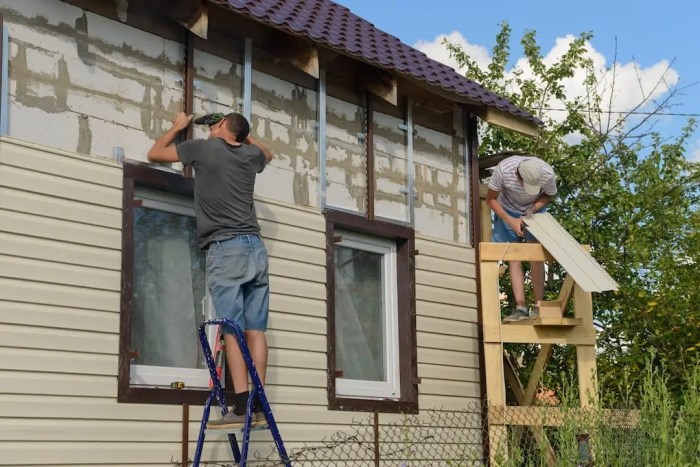
In conclusion, residential vinyl siding installation offers a durable and versatile option for homeowners looking to enhance the exterior of their homes. With proper installation and maintenance, vinyl siding can provide long-lasting protection and aesthetic appeal.
FAQ Guide
What is vinyl siding?
Vinyl siding is a type of exterior cladding made from polyvinyl chloride (PVC) resin that is used to protect and enhance the appearance of residential homes.
What are the benefits of choosing vinyl siding?
Some benefits of vinyl siding include its durability, low maintenance requirements, variety of styles and colors, and cost-effectiveness compared to other materials.
How should homeowners prepare for vinyl siding installation?
Homeowners should prepare by cleaning the exterior walls, ensuring proper insulation, checking for any structural issues, and gathering necessary tools and materials for installation.
What are common maintenance tasks for vinyl siding?
Regular cleaning with a mild detergent and water, inspecting for any damage or mold growth, and addressing any issues promptly can help maintain the appearance and longevity of vinyl siding.
How can homeowners address common issues with vinyl siding?
Common issues like warping, fading, or loose panels can be addressed by contacting a professional installer to assess the situation and provide necessary repairs or replacements.